
-
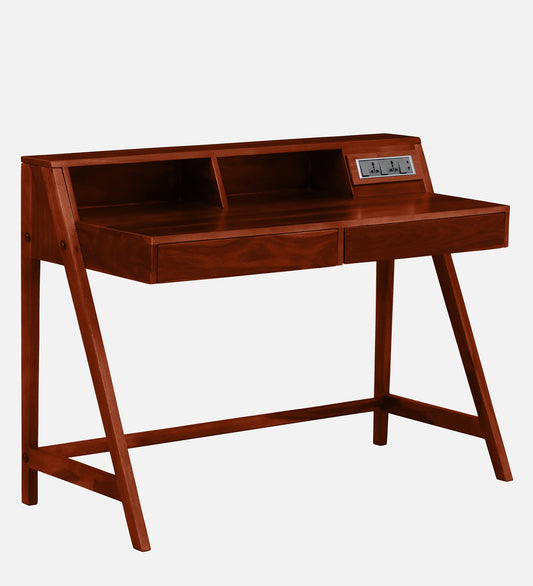
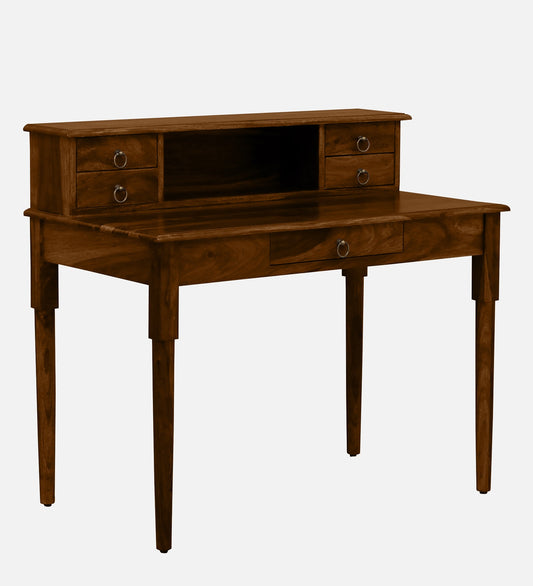
Aurex Workstation Desk In Honey Oak Finish
Regular price Rs. 18,499.00 INRRegular priceRs. 26,999.00 INRSale price Rs. 18,499.00 INRSale -
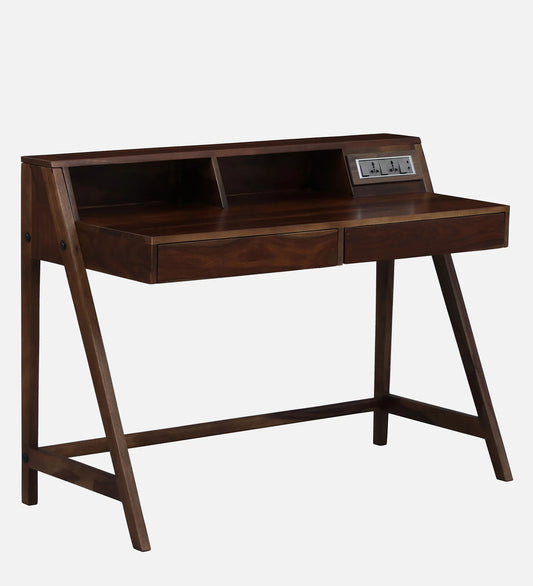
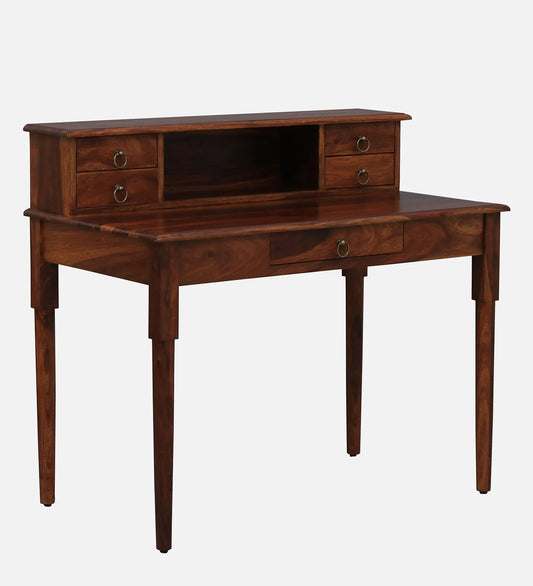
Aurex Workstation Desk In Provincial Teak Finish
Regular price Rs. 18,499.00 INRRegular priceRs. 26,999.00 INRSale price Rs. 18,499.00 INRSale -
Alden Writing Desk In Honey Oak Finish
Regular price Rs. 16,499.00 INRRegular priceRs. 23,999.00 INRSale price Rs. 16,499.00 INRSale -
Alden Writing Desk In Provincial Teak Finish
Regular price Rs. 16,499.00 INRRegular priceRs. 23,999.00 INRSale price Rs. 16,499.00 INRSale -
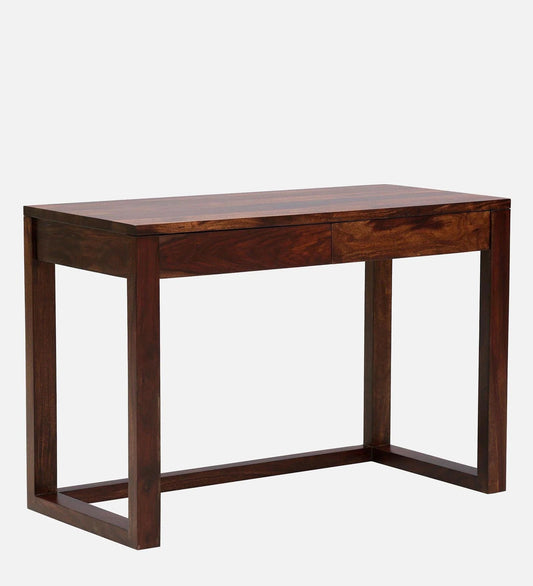
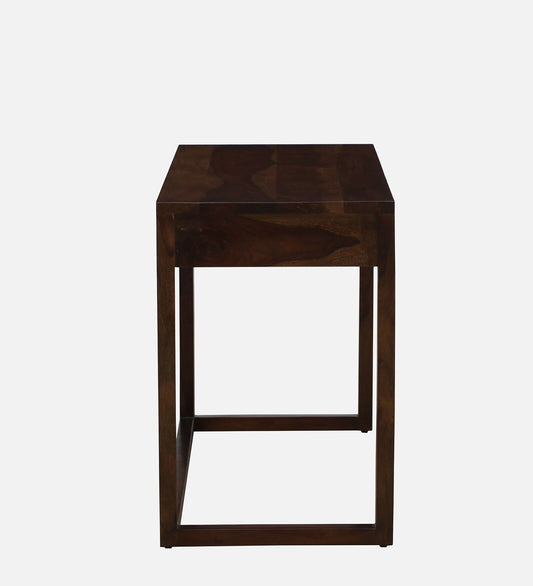
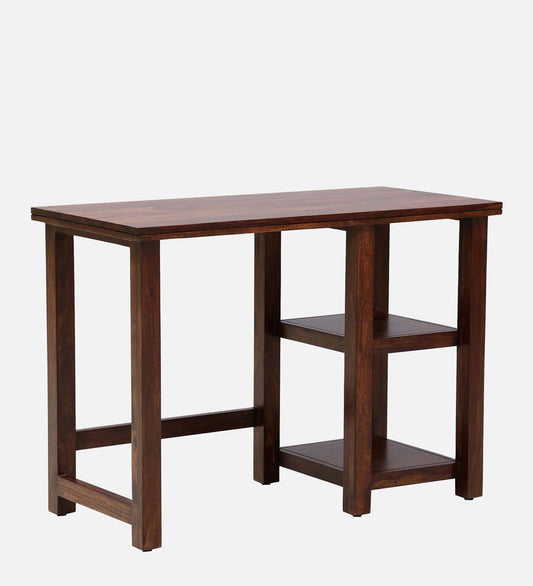
NoirEdge Minimal Writing Desk
Regular price Rs. 14,499.00 INRRegular priceRs. 19,999.00 INRSale price Rs. 14,499.00 INRSale -
Aurex Brivon Writing Desk in Provincial Teak Finish
Regular price Rs. 17,999.00 INRRegular priceRs. 24,999.00 INRSale price Rs. 17,999.00 INRSale -
Aurex Brivon Writing Desk in Honey Oak Finish
Regular price Rs. 17,999.00 INRRegular priceRs. 24,999.00 INRSale price Rs. 17,999.00 INRSale -
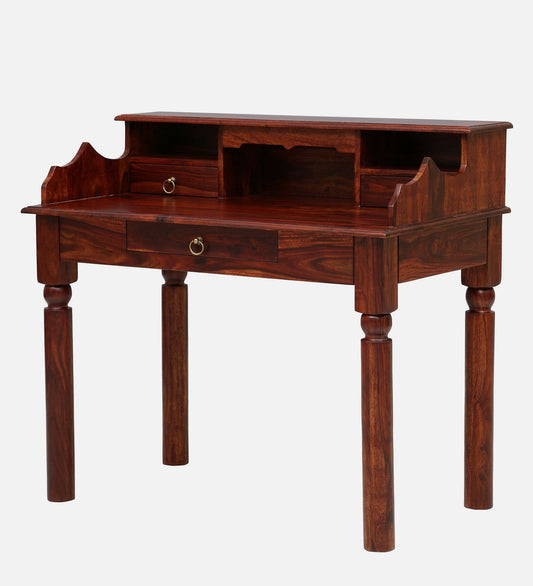
Aurex Varnis Writing Desk
Regular price Rs. 17,999.00 INRRegular priceRs. 25,999.00 INRSale price Rs. 17,999.00 INRSale -
Arvex Storage Writing Desk
Regular price Rs. 12,999.00 INRRegular priceRs. 16,999.00 INRSale price Rs. 12,999.00 INRSale -
Zerith Cane Writing Desk
Regular price Rs. 15,999.00 INRRegular priceRs. 20,999.00 INRSale price Rs. 15,999.00 INRSale









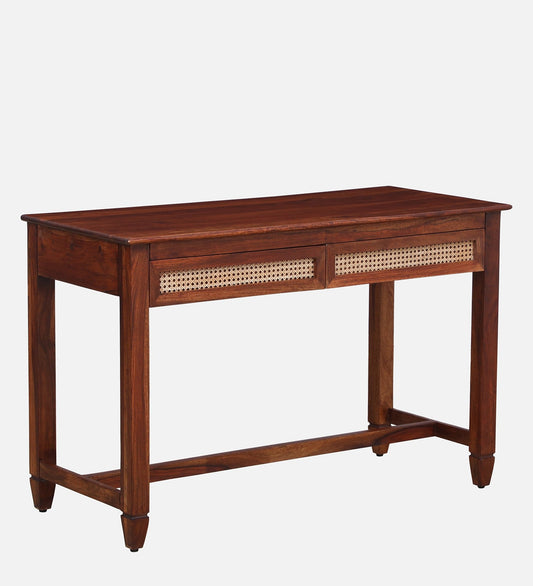
Solid Wood Study Table Online India — Writing Desks & Study Tables Built to Last
There is something about a well-made study table that quietly changes how you work. Not in a dramatic way — you don't suddenly become more productive the moment you sit down at a solid wood writing desk. But over weeks and months, the difference shows up. A sturdy surface that doesn't wobble when you type. A finish that doesn't feel cheap under your hands. A piece of furniture that actually fits the room instead of making it feel like a temporary setup.
Whether you are a student looking for a dedicated study corner, a professional setting up a home office, or a parent buying a study table that will genuinely last through school and beyond — the material, the design, and the build quality matter far more than most furniture listings make clear. This guide covers everything worth knowing before you buy a solid wood study table in India — the right wood, the right size, the right style, and how to make sure you are getting genuine solid wood and not something that just looks like it.
Why a Solid Wood Study Table Is Worth It
Walk into most homes in India and you will find one of two things at the study table — either engineered wood that has started to chip at the corners and swell at the joints, or a table that cost very little, looked fine for a year, and now wobbles every time someone rests their elbows on it.
A solid wood study table starts differently and stays different. Because it is timber all the way through, it doesn't have the structural weaknesses that engineered alternatives develop over time. The surface doesn't delaminate. The legs don't loosen at the joints the way MDF-core furniture tends to after a few years of regular use. And because solid wood can be sanded and refinished rather than discarded, a good study table genuinely lasts — not five years, but fifteen or twenty, or longer with basic care.
There is also a practical argument specific to India. The humidity swings between monsoon and summer stress cheaper materials in ways that show up fast — swollen drawers, warped tops, joints that gap and creak. Hardwoods like sheesham and mango wood are built for exactly this kind of climate. They handle seasonal moisture and temperature changes without the deterioration that turns an inexpensive engineered wood desk into a liability within a couple of years.
For a student who will use their study table daily for years, or for a home office that gets serious use, solid wood is not an indulgence — it is the more sensible long-term choice.
Solid Wood Study Table vs. Engineered Wood — What Actually Differs
The difference between solid wood and engineered wood is not just about price. It is about what happens to the furniture after the first year or two.
Solid wood is timber cut and shaped from a single species — sheesham, mango, teak, and so on. It is heavy, strong, and consistent in structure all the way through. A scratch can be polished out. A joint that loosens over decades can be re-glued and tightened. The surface improves with age as the grain deepens.
Engineered wood — MDF, particle board, or plywood with a laminate or veneer finish — is made from wood fibres or layers compressed and bonded together. It is lighter, often cheaper, and perfectly usable in the short term. The problem is longevity. The core absorbs moisture over time, the laminate starts to lift at edges and corners, and once the surface is genuinely damaged, there is no fixing it — only replacing it.
The cost comparison over time almost always favours solid wood. A well-made solid sheesham writing desk bought once costs more upfront than three engineered alternatives bought over the same period — but by year eight or ten, the solid wood desk is still in use, still looking right, and the engineered alternatives have already been replaced twice.
Choosing the Right Wood for Your Study Table
The wood you pick shapes everything about the table — how it looks, how heavy it is, how it ages, and how well it handles your home's specific conditions.
Sheesham (Indian Rosewood) is the most widely trusted hardwood for study tables and writing desks in India. Dense, naturally termite-resistant, and rich with a reddish-brown grain that deepens over years of use — sheesham is the straightforward, long-term answer for anyone who wants a study table that simply works without demanding attention.
Mango Wood is lighter in tone and slightly more affordable than sheesham. It has a smoother, more uniform grain with a cooler, contemporary palette that suits modern interiors well. It is 100% solid hardwood and performs well as a study table material — particularly for adults who want something that fits a minimal or modern home office aesthetic.
Teak is the choice where durability under tougher conditions matters most. Its natural oil content makes it inherently resistant to moisture — a strong option if the study table will sit near a window, balcony door, or in a room that gets significant humidity exposure.
Acacia brings a bold, varied grain with warm undertones — well suited to writing desks where visual character matters as much as function. It is typically used in more rustic or eclectic styles.
Rubberwood is a lighter, more budget-accessible solid hardwood — genuinely solid wood, not engineered, but with a finer, more neutral grain. A practical option at a lower price point without sacrificing the core durability benefits of solid wood construction.
Whichever wood you choose, confirm before buying that the product description explicitly states "solid wood" as the material — not "wooden," "wood finish," or "engineered wood with solid wood accents." A genuine solid wood study table will say so directly.
Types of Study Tables and Writing Desks — Which Style Actually Fits Your Space
A study table is not one-size-fits-all. The right design depends on how you use it, how much space you have, and what else you need the table to do alongside actual studying or working.
Standard Flat-Top Writing Desks The most versatile style — a clean, flat surface on four legs with no built-in shelving or drawers. A solid wood writing desk in this style works across almost any interior, from a minimalist home office to a student's bedroom, and because there is no overhead structure, the space above the desk stays open and uncluttered. A good starting point if you are unsure of exactly how you will use the space, since it imposes no fixed organisation on the way you work.
Study Tables With Storage (Drawers and Shelves) A solid wood study table with a built-in drawer or two, plus an open shelf underneath, handles the daily reality of a working desk — books, stationery, notebooks, a laptop charger — without requiring a separate cabinet or shelf unit nearby. This is the most practical style for students, where the desk needs to do more than just provide a surface. The key is making sure the storage is genuinely useful rather than decorative — deep drawers with smooth-running slides, shelves wide enough for standard textbooks.
Study Tables With Overhead Shelving (Hutch Desks) A hutch-style solid wood study table adds one or more shelves directly above the writing surface, built into the desk rather than added as a separate wall unit. This dramatically increases the storage capacity of the desk without requiring extra floor space — everything from books to stationery to a small plant or lamp can sit within arm's reach of where you work. Hutch desks work particularly well in smaller rooms where a separate bookshelf would eat up floor area you can't afford to lose.
L-Shaped Study Tables An L-shaped solid wood study table gives you two connected work surfaces rather than one — a larger main working area on one side and a secondary surface (typically narrower) extending at a right angle. Ideal for professionals who need to keep a laptop and a separate monitor both within reach, or for students who want to keep study materials and a computer workspace separate. L-shaped desks work best in a corner placement, where they use space efficiently rather than jutting into the room.
Wall-Mounted Floating Desks A wall-mounted solid wood writing desk folds flat against the wall when not in use, freeing up the floor space the desk would otherwise permanently occupy. This is a practical solution for studio apartments, small bedrooms, or any room where a full-size desk would take up more space than is available day-to-day. The trade-off is surface area — a floating desk typically offers less working space than a freestanding alternative.
Secretary Desks (Fold-Down Writing Desks) A secretary-style solid wood writing desk has a fold-down front that opens to reveal the writing surface, with enclosed storage above and sometimes below when closed. It looks like a cabinet or sideboard when shut — a clean, compact piece of furniture for living rooms or bedrooms where a permanent desk presence would feel out of place. Secretary desks suit occasional use more than daily heavy work, but as a writing desk for correspondence, journalling, or light laptop work in a non-dedicated study room, they are an elegant, space-efficient option.
Corner Study Tables Specifically designed for corner placement, a corner solid wood study table maximises an otherwise underused spot in a room. These range from simple triangular or angled surfaces to full L-shaped units with integrated storage. If your room layout has an empty corner and limited floor space elsewhere, a corner study table can turn that unused space into a functional, dedicated work area without the desk dominating the room.
Kids' Study Tables Smaller in dimension and sometimes adjustable in height to accommodate a child's growth, a solid wood study table for kids is built for the same durability requirements as an adult desk but scaled to the right proportions for younger users. The key difference in a children's study table is the height — seat-height adjustability, if available, extends the useful life of the table considerably as the child grows.
Getting the Size Right
A study table that is the wrong size for the room or the person using it creates friction every single time someone sits down at it. A few numbers worth knowing:
Width: 90–120 cm is the practical minimum for a comfortable writing surface. If you use a laptop alongside books or notebooks, 120 cm gives enough room to keep both without constantly rearranging. For a dual-monitor or larger professional setup, 150 cm or above is worth considering.
Depth (front to back): 50–60 cm is the standard range for study tables. Anything less than 50 cm starts to feel cramped for everyday use. If you work with large books or a laptop-plus-monitor combination, 60–65 cm is noticeably more comfortable.
Height: Standard desk height in India sits between 72 and 76 cm, which suits most adults. If you are buying for a child, a height-adjustable table or one specifically built for the child's age group will serve far better than a standard adult-height desk.
Clearance around the desk: Leave at least 90–100 cm of clear space behind the chair for comfortable movement when getting up and sitting down. More if the room is also a shared space.
Where to Place Your Study Table
Position matters more than most people realise when setting up a study or home office. Natural light from a window to the side of the desk — rather than directly in front of or behind the screen — reduces eye strain significantly during long work or study sessions. Avoid placing the desk directly in front of a window if you use a monitor, since the backlight creates glare that tires the eyes faster.
In a bedroom, a corner placement usually works best — it defines the study area as distinct from the sleeping area without using a partition, and it keeps the desk from dominating the room visually. In a dedicated study or home office, the desk should face the room's entrance or a neutral wall rather than a corner if possible, so that whoever is working doesn't feel boxed in.
Style and Finish — Matching the Desk to Your Home
The design of your study table should suit the room it lives in, not just the catalogue it came from.
Traditional writing desks feature warm honey or walnut finishes, turned or carved legs, and sometimes decorative drawer hardware — a natural fit for homes with a more classic or formal interior style.
Contemporary / Minimalist desks keep everything clean — straight legs, flat surfaces, no ornamental detailing, lighter wood tones. These suit modern apartments and open home office setups where a heavy or ornate desk would feel out of place.
Industrial designs pair a solid wood top with metal legs or accents — hairpin legs, powder-coated steel frames. The combination suits loft-style interiors or any room with a slightly raw, urban aesthetic.
Mid-Century Modern is one of the most requested styles for writing desks right now — tapered legs, low profiles, clean lines with just a hint of warmth from the wood tone. It works in both traditional and contemporary rooms without looking out of place in either.
Pairing Your Study Table With the Rest of the Room
A study table does not sit in isolation — it shares the room with a chair, shelving, and often a bed in a student's bedroom or other furniture in a home office. Matching the wood species and finish across these pieces creates a room that feels considered rather than assembled piece by piece over time.
If you have already chosen a sheesham wood bed or wardrobe, a sheesham study table in the same finish brings the room together without requiring every piece to be identical in design. Slight differences in leg style or hardware detail are fine — it is the wood tone and finish that creates cohesion. For a dedicated home office, pairing a solid wood writing desk with matching open shelving or a small side table in the same wood makes the workspace feel intentional rather than improvised.
The chair matters as much as the desk, and it is worth choosing both together rather than separately. An ergonomic chair that works well with the desk height, and that suits the overall tone of the room, turns the study area from a functional corner into a space you actually want to spend time in — which, for a student or a remote worker, is the whole point.
Setting Up Your Study Area Right
The desk itself is only part of a functional study setup. A few additions make the difference between a surface you sit at and a space that genuinely helps you work:
Lighting: Natural side light is ideal. If the desk relies on artificial light, a desk lamp positioned to the left of the surface (for right-handed users) reduces shadows across the writing area and lessens eye strain during long sessions.
Cable management: A solid wood writing desk with a discreet cable slot or a simple cable tray underneath keeps charging cables, laptop cords, and monitor leads from making the surface look cluttered. If the desk has no built-in cable management, a small cable organiser clipped to the back edge of the desk handles it simply.
Chair height: Set the chair height so your feet are flat on the floor and your elbows rest at desk height without your shoulders lifting. Most people underestimate how much an incorrectly set chair height contributes to back and neck discomfort during long study or work sessions.
Surface organisation: A desk pad, a small tray for stationery, and a single vertical file holder for current papers keeps the working surface clear without restricting access to what you actually use. On a solid wood writing desk, keeping the surface uncluttered also lets the grain of the wood show — which is worth preserving on a piece that was made to last.
Caring for a Solid Wood Study Table
A solid wood writing desk requires very little maintenance — far less than most people expect — but a few habits protect the finish and the wood over the long term.
Use a desk pad or blotter under heavy writing to protect the surface from pen indentations. Keep liquids in cups or bottles with secure lids — a water spill on a solid wood surface isn't catastrophic if wiped immediately, but pooled water left to sit will mark even the best finish over time. Dust with a soft dry cloth regularly; abrasive cloths or spray cleaners not formulated for wood gradually dull the finish. Keep the desk away from direct afternoon sunlight if possible, since sustained UV exposure fades wood finishes unevenly. A light polish every few months keeps the grain looking rich and provides ongoing protection to the surface.
Why Keshav Craft Inc Makes Study Tables Differently
Every solid wood study table and writing desk at Keshav Craft Inc is made from 100% solid wood — no engineered cores, no MDF hidden under a wood-look surface. The timber is handpicked for grain quality and worked by craftspeople who understand how wood moves, ages, and responds to India's seasonal conditions.
Keshav Craft Inc is a handcrafted furniture brand, not a catalogue reseller. Every piece is made with the specific intention of lasting — built to the same standard whether it's a simple flat-top writing desk or a full hutch-style study table with storage. The finish is applied to protect the wood through real use conditions, not just to photograph well.
Direct-from-workshop pricing means there is no middleman markup between the Keshav Craft Inc workshop and your home — you get a genuinely solid wood study table at a price that reflects the actual cost of making it well, not a retail margin added on top.
Frequently Asked Questions
What is the difference between a study table and a writing desk? Functionally, very little — both refer to a dedicated surface for working, writing, or studying. "Study table" is the more commonly used term in India and tends to describe desks with built-in storage, used in student bedrooms or home study rooms. "Writing desk" typically refers to a cleaner, less storage-heavy design — often more minimal, used in home offices or living rooms. Both can be made from solid wood and both serve the same core purpose.
What size study table is right for a student? For a school-age student, a desk width of 90–100 cm is usually enough. For a college student or anyone working with multiple screens or large books simultaneously, 120 cm or wider is noticeably more comfortable. Height should ideally match the student's seated elbow height — for most adults this falls between 72 and 76 cm.
Is sheesham wood good for a study table? Yes — sheesham is one of the best choices for a solid wood study table in India. It is dense, naturally termite-resistant, handles humidity well, and ages beautifully. A sheesham wood study table bought now should comfortably last 15–20 years or more with basic care.
Can a solid wood study table handle daily heavy use? Yes. Solid wood — particularly sheesham and teak — is built for exactly this kind of use. Unlike engineered alternatives, the surface of a solid wood desk does not delaminate or develop soft spots under consistent weight. Everyday use is what solid wood furniture is made for.
Which is better for a home office — a writing desk or a study table with storage? It depends on how you work. If you prefer a clean, uncluttered surface and keep documents and supplies stored elsewhere, a flat-top writing desk is the cleaner choice. If your workflow involves keeping books, files, stationery, and a laptop all accessible at once, a study table with drawers and shelves keeps everything within reach without requiring a separate cabinet.
What is a good height for a study table in India? Standard desk height in India is 72–76 cm for adults, which suits most people with a standard chair. If you use an ergonomic chair with adjustable height, check the desk height against your seated elbow position — your forearms should rest comfortably on the surface without your shoulders hunching up or your wrists bending down.
How do I stop my study table from wobbling? Wobbling in a solid wood desk is almost always a joint or leg issue. Check whether the floor is uneven first — adjustable leg pads can fix this without touching the desk itself. If the wobble comes from a loosened joint, re-tightening or re-gluing the affected joint is straightforward on solid wood. A solid wood desk that wobbles is almost always fixable; an engineered wood desk with the same problem is often not.
Can I use a study table as a standing desk? A standard solid wood study table is not built for standing height (which runs 90–110 cm for most adults). Some manufacturers offer height-adjustable solid wood writing desks — worth looking for if you want the option of standing while working. Alternatively, a monitor riser and an ergonomic keyboard position can improve posture at a seated desk without converting the furniture.
How do I choose between an L-shaped desk and a standard rectangular study table? An L-shaped solid wood study table makes sense if you regularly need more than one active work zone — a laptop on one side and reference materials, a second monitor, or a printer on the other. For a single-monitor or notebook-based workflow, a standard rectangular desk is usually sufficient and takes up considerably less room.
What wood finish is best for a study table in a small room? Lighter finishes — natural mango wood, light honey sheesham — make a small room feel more open than darker walnut or ebony stains. Matte finishes also tend to feel less heavy than high-gloss ones in compact spaces.
A solid wood study table is the kind of furniture purchase that stops demanding your attention after you make it. You buy it, you set it up, and it simply works — for years, for decades, through changes in how you use it and what the room around it looks like. That is the real value of buying well the first time, and it is exactly what a handcrafted solid wood writing desk from Keshav Craft Inc is built to deliver.