
-

 Sale
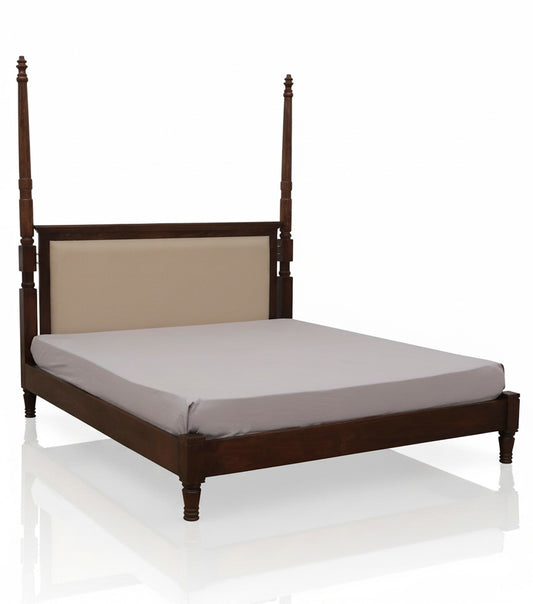
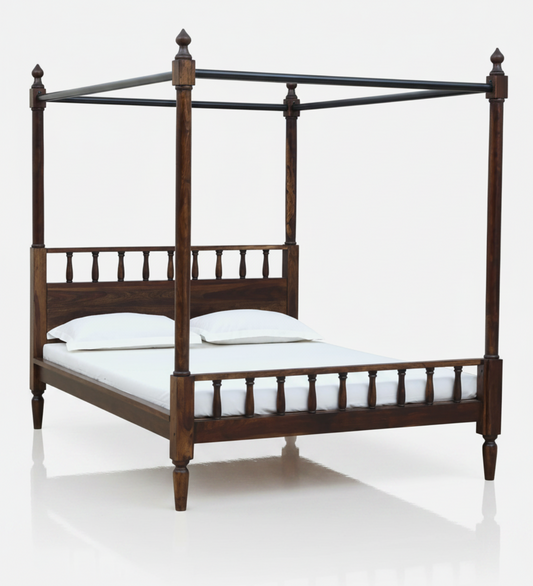
SaleAurelion Canopy Bed
Regular price Rs. 49,999.00 INRRegular priceRs. 69,999.00 INRSale price Rs. 49,999.00 INRSale -
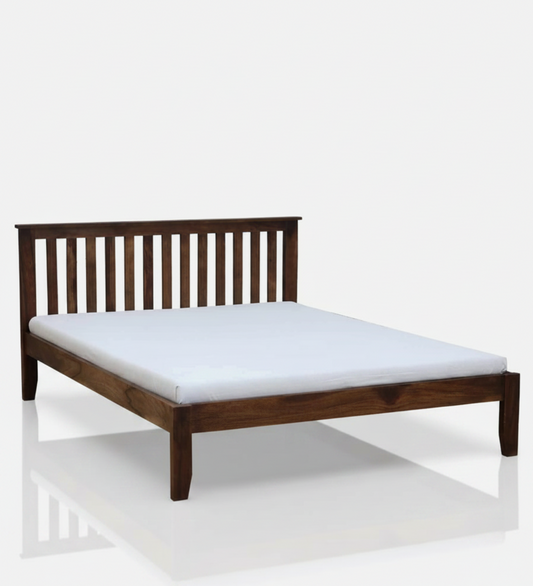
Velmora Slat Bed in Provincial Teak Finish
Regular price Rs. 24,999.00 INRRegular priceRs. 34,999.00 INRSale price Rs. 24,999.00 INRSale -
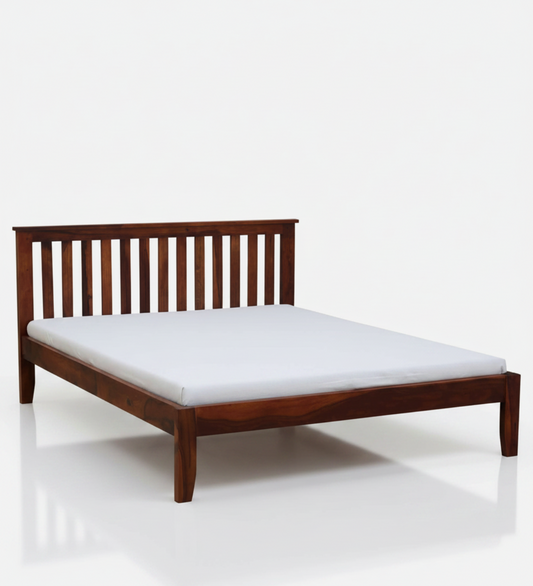
Velmora Slat Bed in Honey Oak Finish
Regular price Rs. 24,999.00 INRRegular priceRs. 34,999.00 INRSale price Rs. 24,999.00 INRSale -

 Sale
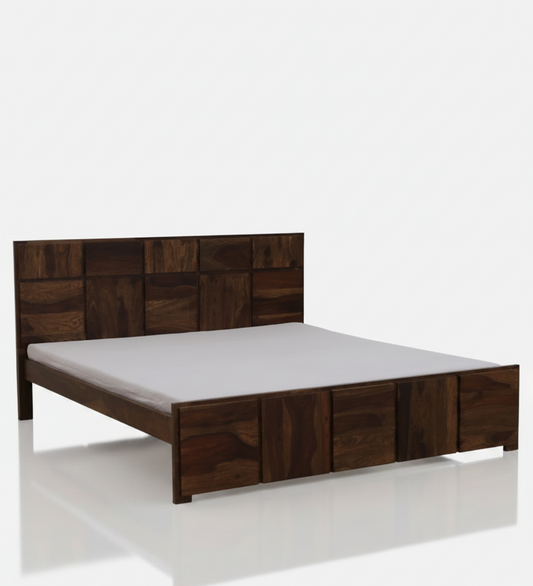
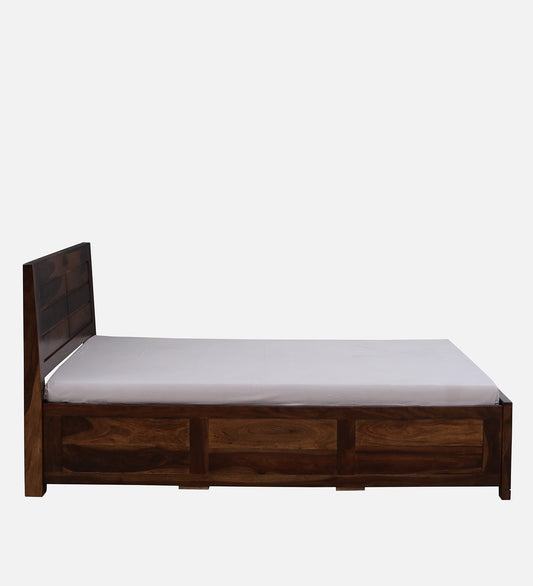
SaleZorvyn Sheesham Bed
Regular price Rs. 39,999.00 INRRegular priceRs. 54,999.00 INRSale price Rs. 39,999.00 INRSale -
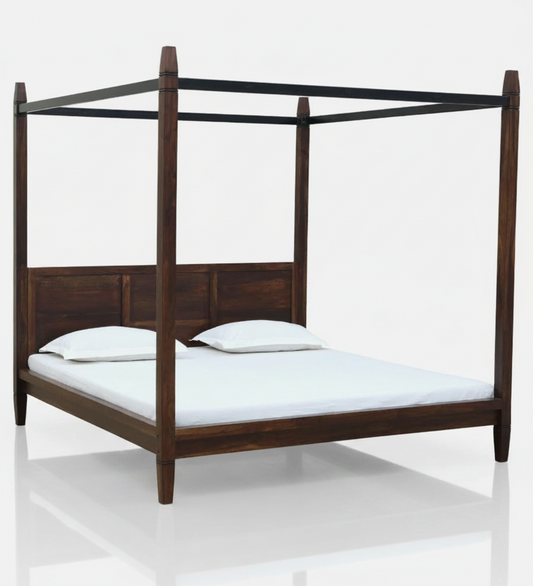
Alzora Sheesham Poster Bed
Regular price Rs. 59,999.00 INRRegular priceRs. 84,999.00 INRSale price Rs. 59,999.00 INRSale -
Zenvora Sheesham Poster Bed
Regular price Rs. 54,999.00 INRRegular priceRs. 79,999.00 INRSale price Rs. 54,999.00 INRSale -
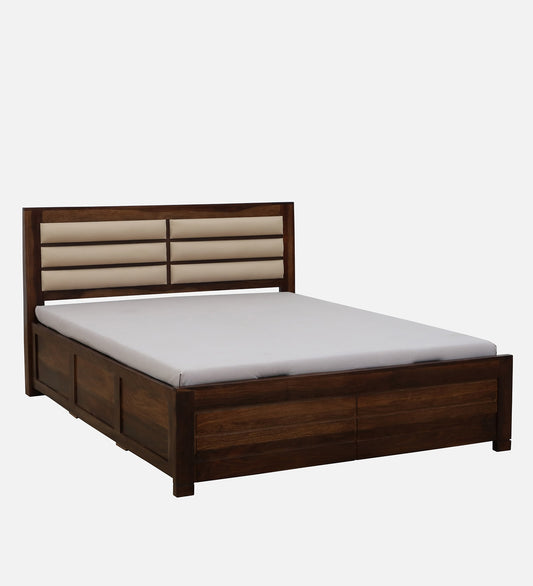
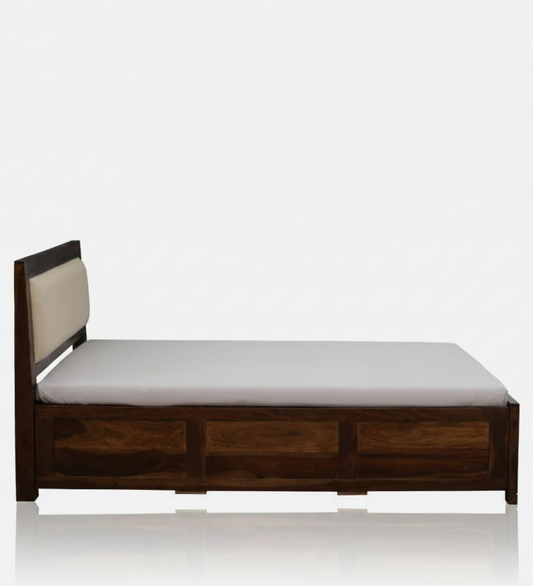
Veltrix Upholstered Hydraulic Storage Bed
Regular price Rs. 63,999.00 INRRegular priceRs. 89,999.00 INRSale price Rs. 63,999.00 INRSale -
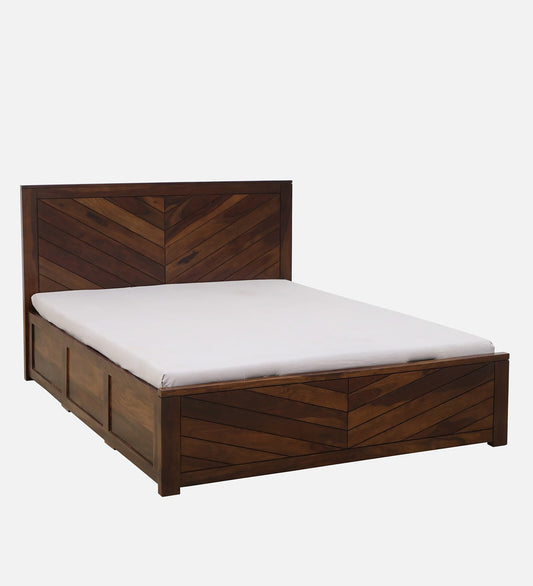
Heritage Chevron Sheesham Hydraulic Storage Bed
Regular price Rs. 67,999.00 INRRegular priceRs. 94,999.00 INRSale price Rs. 67,999.00 INRSale -
Zerano Hydraulic Storage Bed
Regular price Rs. 63,999.00 INRRegular priceRs. 89,999.00 INRSale price Rs. 63,999.00 INRSale -
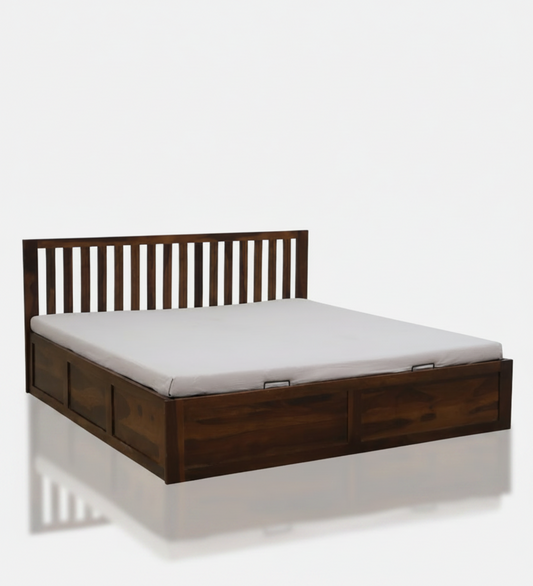
Velmora Slat Hydraulic Storage Bed
Regular price Rs. 63,999.00 INRRegular priceRs. 89,999.00 INRSale price Rs. 63,999.00 INRSale -
Zorvyn Sheesham Hydraulic Storage Bed
Regular price Rs. 65,999.00 INRRegular priceRs. 89,999.00 INRSale price Rs. 65,999.00 INRSale -
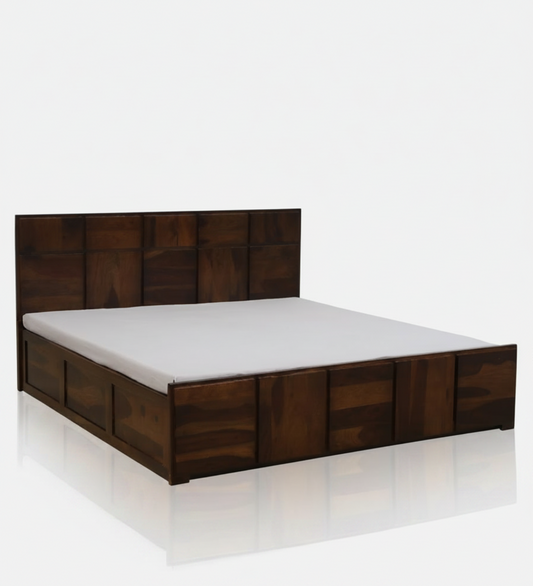
Tavion Panel Hydraulic Storage Bed in Provincial Teak Finish
Regular price Rs. 63,999.00 INRRegular priceRs. 84,999.00 INRSale price Rs. 63,999.00 INRSale












Solid Wood King Size Bed Online India — The Complete Buying Guide
There is a specific moment that happens after people upgrade to a king size bed — they wonder why they waited so long. The extra width means two people can turn over at night without waking each other. It means starfishing across the mattress on a lazy Sunday morning actually works. It means the bedroom stops feeling like a room with a bed crammed into it and starts feeling like a room built around one, the way a well-designed bedroom should.
A solid wood king size bed is as much a structural commitment as a lifestyle one. At this size, the frame is carrying more weight, spanning a wider distance between support points, and holding up a heavier mattress than any other bed size in the house. Getting the wood, the construction, and the design right matters more here than at any smaller size — because there is simply more bed for anything to go wrong with.
This guide covers everything worth knowing before buying a solid wood king size bed in India — the actual dimensions, the room size you genuinely need, every major design type, and how to make sure the frame you buy is built to handle the size properly.
King Size Bed Dimensions in India — And Why the Naming Gets Confusing
A standard king size bed in India measures approximately 198 x 183 cm (roughly 6.5 feet by 6 feet). This is sometimes listed as 78 x 72 inches. It is worth knowing this precisely, because "king size" is one of the most inconsistently used terms in Indian furniture listings.
Some sellers use "king size" to describe what is actually a queen size bed (198 x 152 cm), and occasionally a true king gets listed under a different label entirely. International sizing adds to the confusion — a US king size bed measures wider again (approximately 193 x 203 cm, in a different aspect ratio to the Indian standard), and a "super king" in the UK is different still. If you are buying online, always check the exact frame dimensions in centimetres rather than relying on the size name alone, and separately confirm the mattress size the frame is designed to hold.
Why More Indian Homes Are Choosing King Over Queen
Queen size has long been the default choice for Indian master bedrooms, largely because it fits comfortably in a standard-sized room without much planning. But as homes get slightly larger and bedroom design gets more intentional, king size beds have become a natural upgrade for couples who want genuinely more space rather than just adequate space.
The reasons people move up to king size are consistent: more room to sleep without disturbing a partner, more comfortable space when a child or pet ends up in the bed some nights, and — practically speaking — a bed that better accommodates two people of different heights or sleep styles. There is also a simple visual argument: a king size bed properly proportioned to a larger bedroom makes the whole room feel complete in a way a queen size sometimes doesn't in a bigger space.
King vs. Queen — Which One Actually Fits Your Bedroom
This is worth deciding with real numbers, not just preference. A queen bed (198 x 152 cm) works well in bedrooms up to roughly 11 x 11 feet, leaving reasonable walking space on both sides. A king bed (198 x 183 cm) needs a room closer to 12 x 12 feet or larger to maintain the same comfortable clearance — an extra 31 cm of width doesn't sound like much until it's eating into the walkway on both sides of the bed.
If your bedroom is on the smaller side but you still want the extra sleeping width, a king size bed can work in an 11 x 12 room with some compromise on clearance — but it's worth measuring precisely before ordering rather than assuming it will fit because it looks right in a showroom.
Cost is the other factor. A solid wood king size bed uses meaningfully more timber than a queen — for the frame, the base, and often the headboard — which reflects in the price. If budget is tight and your room is on the smaller side, a well-built queen size bed is not a compromise; it's often the more sensible choice.
Room Size and Layout for a King Size Bed
A comfortable king size bedroom layout leaves at least 75–90 cm of clearance on both sides of the bed and roughly the same at the foot, so getting in and out, making the bed, and moving around the room doesn't feel like navigating an obstacle course. If your room includes a wardrobe with doors that swing open near the bed, factor that swing radius into your clearance measurements as well.
Centre the bed on the widest available wall rather than a side wall, so the clearance is even on both sides. If the room has an alcove or a slightly recessed wall section, a king bed often fits there naturally, with the recess itself creating a sense of the bed being built into the room rather than placed in it.
For rooms just under the ideal size, a platform-style king bed with a low profile reads as less visually heavy than a tall poster or canopy frame — worth keeping in mind if you're working with a slightly tighter layout but still want the king size sleeping surface.
Solid Wood King Size Bed Types
The design you choose at king size behaves a little differently than the same style at a smaller size, simply because there is more surface, more frame, and more visual presence to work with.
King Size Platform Beds At king size, a platform bed's low profile does real work in keeping a large room from feeling top-heavy. The wide, flat base and minimal frame let the mattress and bedding do the visual work, which suits contemporary bedrooms where a king bed shouldn't dominate the room more than necessary. Platform beds also tend to be the most budget-conscious king size option, since there's no additional storage mechanism or tall headboard structure adding to the material cost.
King Size Panel Beds The classic choice — a structured headboard and footboard connected by solid side rails. At king width, a panel headboard has considerably more surface to showcase the wood grain or design detailing than it would on a queen or double bed, which is part of why panel beds remain a popular king size choice — the headboard genuinely becomes a feature wall element rather than just a backrest.
King Size Storage Beds (Box Storage) A king size box storage bed offers meaningfully more storage volume than the same design at queen size — the extra width alone adds significant capacity for extra bedding, seasonal clothing, and luggage. Given how much floor space a king bed already occupies, building storage into the base rather than adding a separate unit is one of the more space-efficient decisions you can make in a room this size.
King Size Hydraulic Storage Beds The gas-lift mechanism in a hydraulic storage bed matters even more at king size, simply because a king size mattress and base are heavier to lift manually than a queen or double. A well-built hydraulic system, mounted into a genuinely solid wood frame, makes accessing that larger storage volume a one-handed, effortless motion rather than a two-person job.
King Size Poster Beds A poster bed at king width has a commanding presence that smaller sizes simply cannot replicate — four solid wood posts framing a considerably wider sleeping area reads as a genuine architectural feature of the room rather than just a large piece of furniture. This works particularly well in bigger master bedrooms with higher ceilings, where the scale of the posts has room to breathe.
King Size Canopy Beds Taking the poster concept further, a king size canopy bed with a connected overhead frame is one of the most striking bedroom centrepieces available in solid wood furniture. At this width, the canopy frame creates a genuine "room within a room" feeling over the bed — a strong choice for a primary bedroom where the bed is meant to be the undeniable focal point.
King Size Sleigh Beds The curved, scrolled headboard and footboard of a sleigh bed scale beautifully to king width — the wider curve softens what could otherwise be a visually heavy, large piece of furniture. In sheesham or mango wood, the grain follows the curve in a way that photographs and looks genuinely striking at this larger scale.
King Size Upholstered Combination Beds Pairing a solid wood king size frame with an upholstered headboard gives you a wide, comfortable surface to lean against while reading or working from bed — genuinely useful given how much more common that habit has become. At king width, an upholstered headboard also has enough surface area for tufting, channel stitching, or other detailing that would look cramped on a smaller bed.
King Size Low-Profile Floor Beds An increasingly popular contemporary option — a king size bed with a very low frame height, sometimes sitting just a few inches off the floor. This suits a more minimalist, Japandi-influenced bedroom aesthetic and works particularly well with lower ceilings, since the reduced frame height keeps the overall visual proportions of the room balanced.
Choosing the Right Wood for a King Size Bed
Wood choice matters structurally as much as aesthetically at king size, since the frame spans a wider distance and carries more weight than smaller beds.
Sheesham (Indian Rosewood) is the strongest common choice for a king size frame specifically because of its density — a king bed's wider span puts more demand on the central support structure, and sheesham's strength-to-weight ratio handles that demand reliably over decades of use.
Mango Wood works well for king size frames in lighter, more contemporary designs, particularly platform and low-profile styles where the visual weight of the piece is already kept minimal by the design itself.
Teak is worth prioritising for a king bed in a room with higher humidity exposure, given how much surface area a king frame has to potentially absorb seasonal moisture. Teak's natural oil content protects it consistently across that larger surface.
Acacia, with its bold and varied grain, suits king size poster and sleigh designs particularly well — at this scale, the grain pattern itself becomes part of the room's visual character rather than a background detail.
Whatever wood you choose, confirm that the central support beam — the structural element that prevents a wide mattress from sagging in the middle — is solid wood and properly integrated into the frame, not a thin, separately bolted-on afterthought.
Headboard Styles That Suit a King Bed
A king size headboard has more visual real estate than any other bed size, which makes the headboard style a genuinely significant design decision rather than an afterthought.
Tall panel headboards in solid wood work well when the bedroom has the ceiling height to support the scale — generally 9 feet or above. Carved or detailed headboards suit traditional and transitional interiors, where the wider surface gives the carving room to be genuinely appreciated rather than cramped. Clean, minimal panel headboards in a lighter wood tone suit contemporary bedrooms, letting the width of the piece speak for itself without additional ornamentation. Upholstered headboards on a solid wood frame add a softer, more tactile focal point — particularly popular for anyone who spends time sitting up in bed reading or working.
Mattress Support and Weight Considerations
A king size mattress is considerably heavier than a queen or double, and the frame beneath it needs to be built accordingly. Two things matter most here.
Centre support: Any king size bed frame should include a solid centre rail running from headboard to footboard, supporting the middle of the base independently rather than relying on the side rails alone to carry the full span. Without this, a wide mattress will sag in the centre over time regardless of how good the mattress itself is.
Slat spacing and thickness: Slats on a king size bed should be spaced no more than 6–8 cm apart and should be noticeably thicker than what would be adequate on a smaller bed, simply because they're supporting more surface area and more weight per slat. Thin or widely spaced slats are one of the most common causes of premature mattress sagging on wider beds.
Split King — Two Beds Functioning as One
An option worth knowing about: a split king setup uses two identical single or extra-long twin frames placed side by side within a shared king size headboard, rather than one continuous frame. This is particularly useful for couples with significantly different mattress firmness preferences, or where one partner uses an adjustable base and the other doesn't. It is a more specialised setup and not necessary for most buyers, but worth knowing it exists if a single shared mattress isn't the right fit for your situation.
Placement Tips Specific to King Size
Because a king bed occupies so much of a bedroom's floor area, placement decisions have an outsized effect on how the whole room feels. Centring the bed against the longest unbroken wall usually works best, leaving the shorter walls for a wardrobe or dresser. If the room has a window behind where the headboard would sit, check that the headboard height doesn't awkwardly obstruct it — either choose a lower-profile headboard or reposition the bed to an adjacent wall if the window is a key light source.
Avoid placing a king bed diagonally across a corner unless the room is considerably larger than the minimum size — this can look intentional in very large bedrooms but tends to waste significant floor space in an average-sized room.
Pairing a King Bed With the Rest of the Bedroom
A king size bed's larger visual footprint means the surrounding furniture needs to be proportioned to match, not just colour-matched. Nightstands on either side should feel substantial enough to visually balance the width of the bed — very small or narrow nightstands can look out of proportion next to a king frame. If your bedroom has the space, a bench or low storage ottoman at the foot of the bed fills what can otherwise feel like an empty stretch of floor in front of a king size frame.
Matching the wood species and finish across the bed, wardrobe, and nightstands remains the most effective way to make a large bedroom feel considered rather than assembled from separate purchases — this matters even more at king size, where the bed itself sets the tone for the whole room.
When Is the Right Time to Upgrade to King Size
A king size bed tends to come up as a decision at specific moments rather than as a routine furniture swap — moving into a larger home, furnishing a new primary bedroom after a wedding, or simply reaching a point where an old queen bed genuinely feels too small for how two people actually sleep. There's no wrong time to upgrade, but it's worth pairing the decision with an honest look at the room itself rather than upgrading size for its own sake. A king size bed in a room that can properly fit it transforms the space; the same bed in a room that can't tends to create more friction than comfort, regardless of how well-built the frame is.
If you're renovating or moving and have the chance to plan the bedroom layout from scratch, it's worth measuring for a king size bed before finalising wardrobe placement or other fixed furniture — retrofitting a king bed into a room already laid out for a queen is far harder than planning for it from the start.
Caring for a Solid Wood King Size Bed
The basics are the same as any solid wood furniture, with a few size-specific notes. Because a king frame is larger and heavier, check that all connecting bolts across the wider span are tightened evenly during assembly and re-checked after the first few weeks of use, since a longer frame has more connection points where minor settling can occur. Dust the headboard and frame regularly with a soft, dry cloth, paying particular attention to any carved or detailed sections where dust collects more easily on a larger surface. If moving the bed to a new home, disassemble it fully along its original joints rather than attempting to move it as one piece — a king frame is considerably heavier and more awkward to move whole than smaller bed sizes.
Why Keshav Craft Inc Builds King Size Beds the Right Way
A king size bed puts more structural demand on a frame than any other size, which is exactly why the build quality matters most here. Every king size bed from Keshav Craft Inc is made from 100% solid wood, with a properly integrated centre support rail and slat spacing built for the actual weight a king mattress carries — not scaled up from a smaller design without adjusting the structure underneath.
We are a handcrafted furniture brand, and every king size frame we build is worked by craftspeople who understand that a wider bed needs a fundamentally sturdier construction, not just more wood. The result is a king size bed that holds its shape and its silence — no creaking, no sagging — for decades of regular use.
Frequently Asked Questions
What are the exact dimensions of a king size bed in India? A standard Indian king size bed measures approximately 198 x 183 cm (78 x 72 inches). This differs from international king sizes, so always confirm exact frame and mattress dimensions in centimetres before buying, rather than relying on the size name alone.
Is a king size bed worth it over a queen for a couple? For most couples, yes, if the room can comfortably accommodate it. The extra width reduces disturbance from a partner's movement at night and gives noticeably more personal space. If your bedroom is on the smaller side, a well-made queen size bed is a perfectly sound choice rather than a compromise.
What room size do I need for a king size bed? A comfortable king size bedroom layout needs roughly 12 x 12 feet or larger to maintain proper clearance on all sides. It can work in slightly smaller rooms, around 11 x 12 feet, with tighter clearance — but measure precisely before ordering.
Does a king size bed need a centre support leg? Yes. A king size frame should always include a solid centre rail supporting the middle of the base independently of the side rails. Without it, the mattress will sag in the centre over time regardless of mattress quality.
Which wood is best for a king size bed frame? Sheesham is generally the strongest choice for a king size frame due to its density and strength-to-weight ratio, which matters more at this size given the wider span the frame needs to support. Mango wood suits lighter, contemporary king size designs, while teak is worth prioritising in humid environments.
Can I get a king size storage bed in solid wood? Yes — king size box storage and hydraulic storage beds are widely available in solid wood and offer meaningfully more storage volume than the same design at queen size, simply due to the larger base area.
What is a split king bed? A split king setup uses two separate mattress-and-frame units placed side by side beneath a shared king size headboard, rather than one continuous king mattress. It suits couples with significantly different firmness preferences or sleep setups.
Will a king size bed make my bedroom feel cramped? Only if the room is undersized for it. In a properly proportioned bedroom (12 x 12 feet or larger), a king size bed makes the room feel complete rather than crowded. In a genuinely small room, the bed can dominate the space — measuring clearance in advance is the way to avoid this.
How much heavier is a king size mattress than a queen? Meaningfully heavier — often by 15–20 kilograms or more depending on the mattress type, which is exactly why frame quality, slat thickness, and centre support matter more at king size than at smaller bed sizes.
What headboard style works best for a king size bed? It depends on ceiling height and room style. Tall panel or carved headboards suit rooms with 9-foot or higher ceilings and traditional interiors. Clean, low-profile panel or upholstered headboards suit contemporary bedrooms and rooms with standard ceiling heights.
A king size bed is one of the few furniture upgrades that changes how a room actually feels to live in, not just how it looks. Done properly — in genuinely solid wood, with the structural support a wider frame demands — it becomes the one piece of furniture in the house you stop thinking about entirely, because it simply works, night after night, for decades. That is exactly what a solid wood king size bed from Keshav Craft Inc is built to do.