
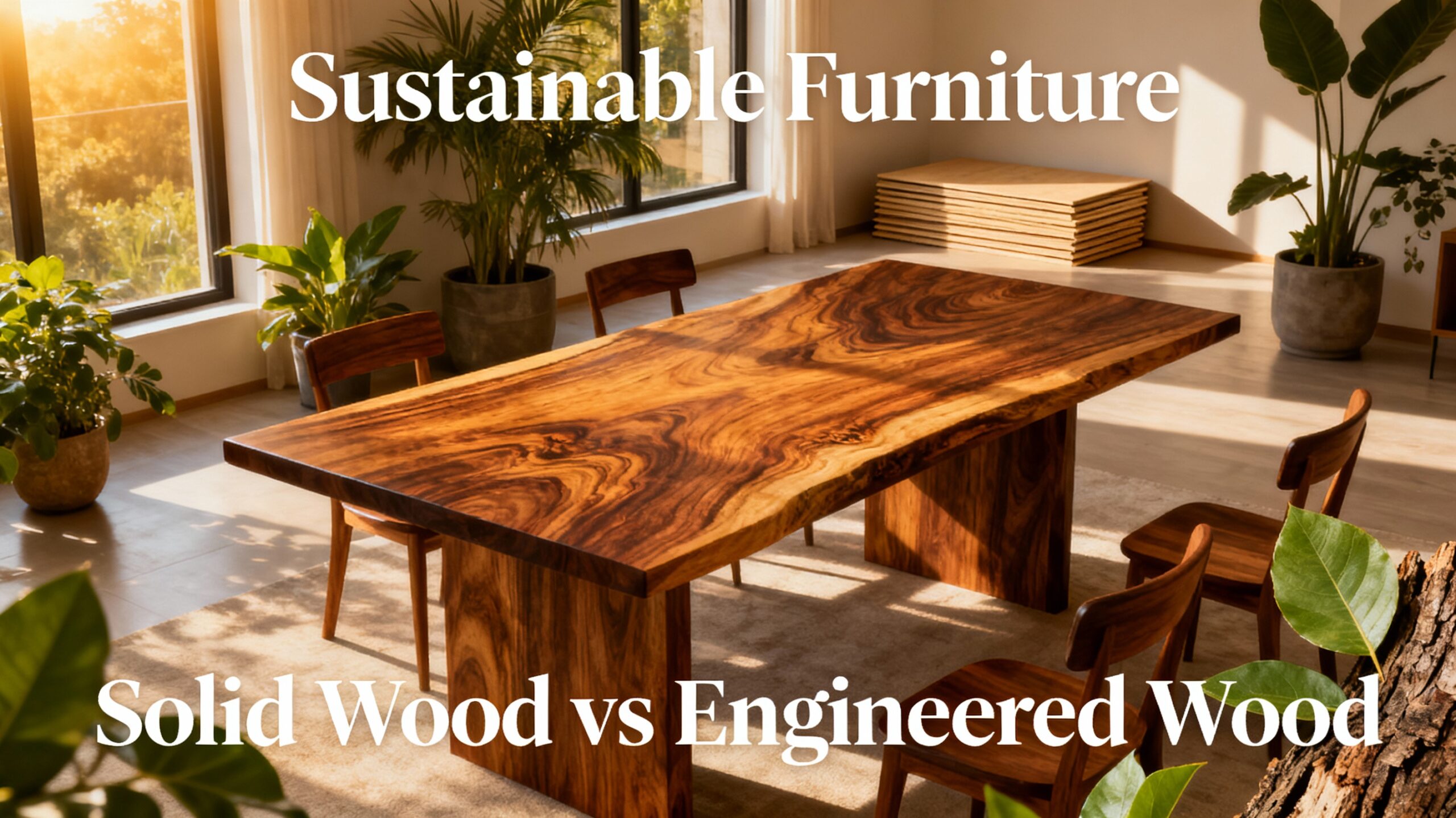
Sustainable Furniture: Why Choose Solid Wood Over Engineered Wood

In today’s world, sustainability isn’t just a lifestyle choice — it’s a responsibility. As more homeowners and designers shift towards environmentally conscious living, one area that’s getting a lot of attention is sustainable furniture. The materials we choose for our interiors have a lasting impact — not only on the beauty of our homes but also on the planet’s health.
At Keshav Craft Inc, we believe furniture should be built to last — not just for years, but for generations. That’s why we champion solid wood furniture over engineered wood options like plywood, particle board, or MDF. Let’s dive into what makes solid wood the smarter, greener, and more valuable choice.
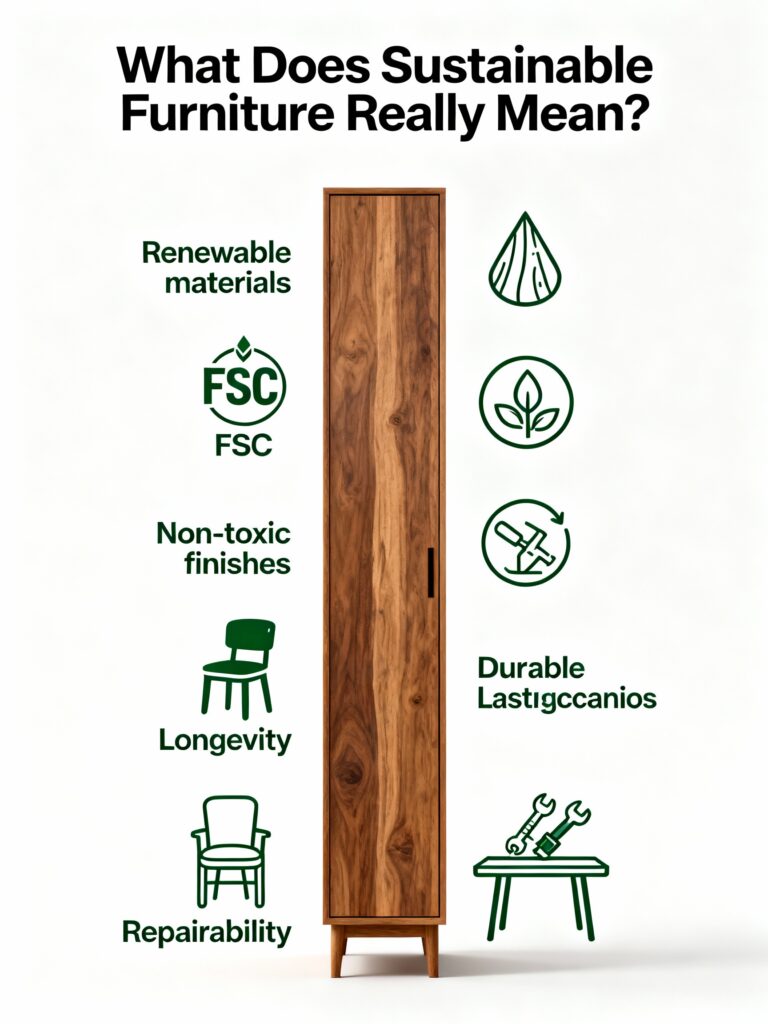
What Does “Sustainable Furniture” Really Mean?
Before we understand the difference between solid and engineered woods, let’s define sustainable furniture.
Sustainable furniture is designed and produced using eco-friendly materials, responsible manufacturing methods, and long-lasting craftsmanship. The main goal is to reduce environmental impact — by minimizing waste, promoting reuse, and ensuring durability.
True sustainable furniture focuses on:
Renewable materials: Woods sourced from responsibly managed forests.
Non-toxic finishes: Eco-friendly coatings, stains, and adhesives.
Longevity: Designs that last decades, not just a few years.
Repairability: Furniture that can be restored or refinished instead of thrown out.
Solid wood checks all these boxes beautifully.
Solid Wood vs Engineered Wood: Understanding the Difference
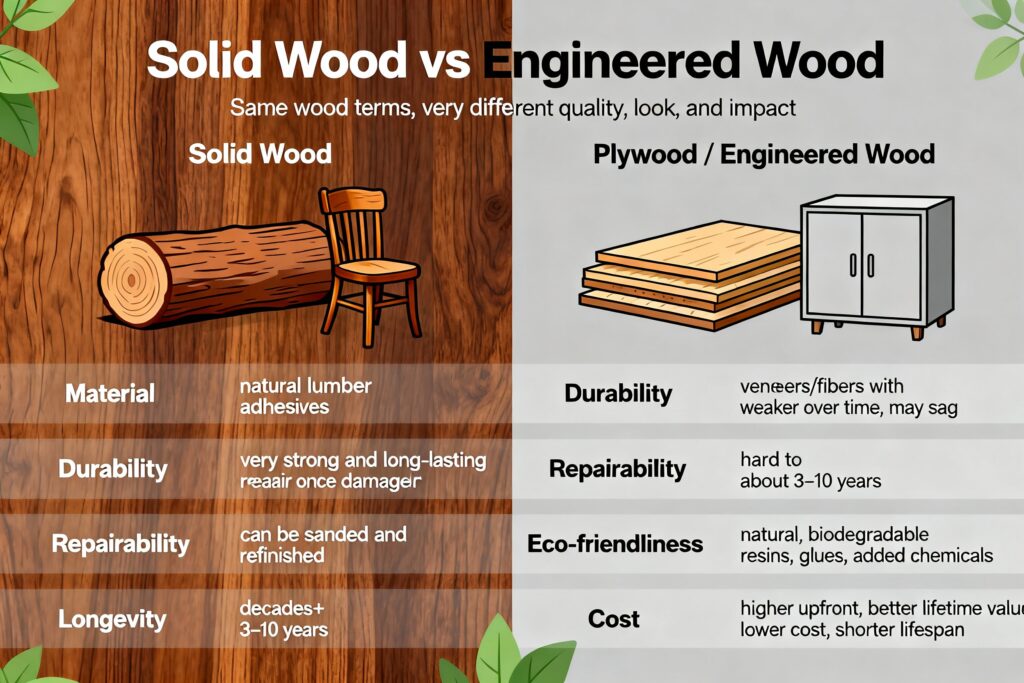
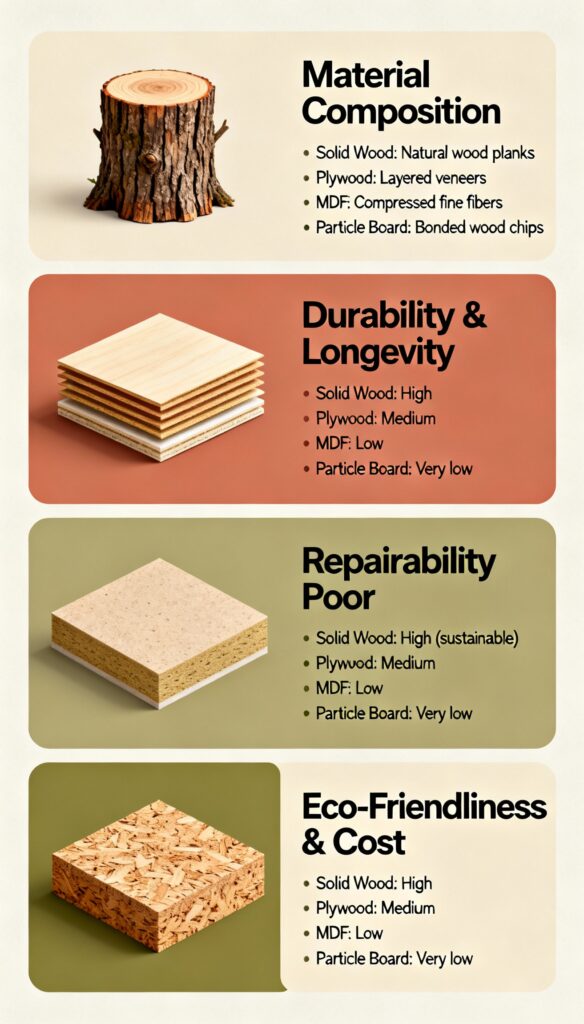
If you’ve ever shopped for furniture, you’ve likely come across terms like solid wood, plywood, MDF, or particle board. They all sound similar, but their differences are huge — in quality, aesthetics, and environmental impact.
| Feature | Solid Wood | Plywood / Engineered Wood |
|---|---|---|
| Material | Natural lumber cut directly from trees | Layers of wood veneers or fibers bonded with adhesives |
| Durability | Extremely strong and long-lasting | Weaker over time, prone to sagging |
| Repairability | Can be sanded, refinished, or restored easily | Difficult or impossible to repair once damaged |
| Longevity | Decades or even centuries | 3–10 years on average |
| Eco-friendliness | 100% natural and biodegradable | Contains resins, glues, and chemicals |
| Cost | Higher initial investment, greater lifetime value | Lower cost but shorter lifespan |
Simply put, when you buy solid wood furniture, you’re investing in quality, sustainability, and legacy — not just looks.
Why Solid Wood Is the Cornerstone of Sustainable Furniture
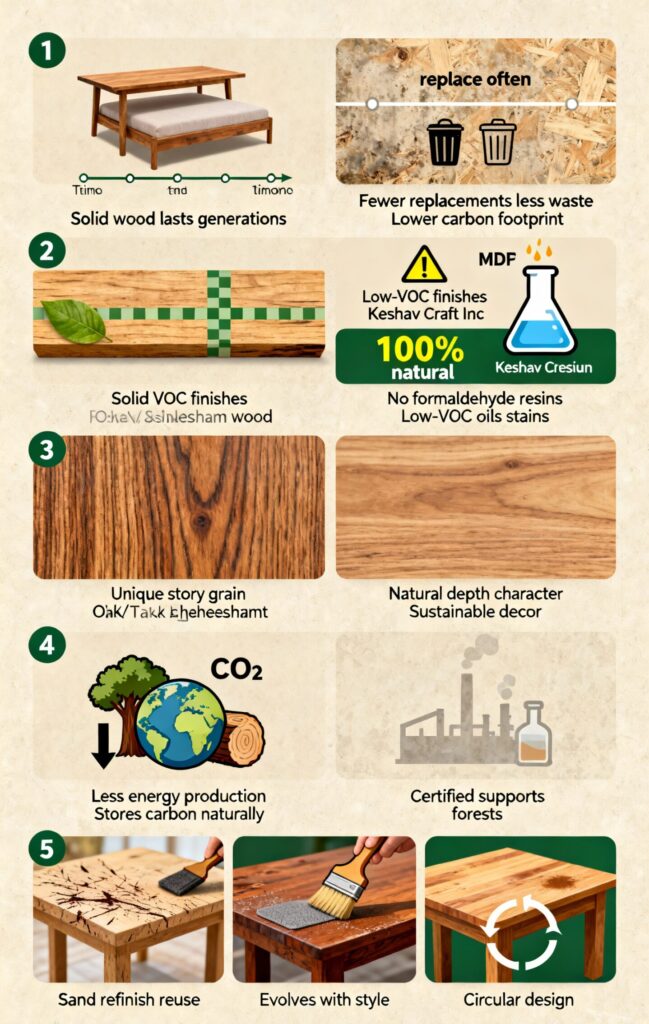
1. Durability That Reduces Waste
The first rule of sustainability is longevity. Unlike plywood or MDF furniture that needs replacement every few years, solid wood pieces can last generations with basic maintenance. This longevity means less waste over time, fewer discarded materials, and a smaller carbon footprint.
A solid wood dining table or bed frame from Keshav Craft Inc isn’t just furniture — it’s heirloom craftsmanship built to stay in your family for decades.
2. Eco-Friendly and Non-Toxic Materials
Engineered woods are usually made with synthetic resins, adhesives, and formaldehyde-based chemicals harmful to both indoor air quality and the environment. Solid wood, on the other hand, is 100% natural.
At Keshav Craft Inc, our finishes use low-VOC (Volatile Organic Compounds) oils and stains that enhance the natural beauty of the wood while keeping your home free from harmful emissions. It’s beauty with a conscience.
3. A Timeless, Authentic Look
Every solid wood plank tells a story — its unique grain, texture, and natural imperfections add charm and authenticity. Plywood or veneer furniture may imitate these looks, but they often feel flat and lifeless in comparison.
Whether it’s an oak coffee table, teak bed frame, or sheesham wood cabinet, the rich tones and tactile grain of real wood bring warmth and character that’s impossible to replicate. That’s why solid wood is a timeless choice for sustainable home decor.
4. Lower Carbon Footprint
While engineered wood might seem eco-friendly (because it uses wood scraps), its manufacturing process is energy-intensive and involves chemical emissions.
Solid wood production, especially when responsibly sourced, consumes less energy and results in lower greenhouse gas emissions. Plus, wood naturally stores carbon dioxide, making it one of the most sustainable materials available.
When you buy certified solid wood furniture, you’re directly supporting responsible forestry and climate-positive craftsmanship.
5. Easy to Repair and Renew
Unlike engineered products that wear out quickly, solid wood can be repaired, refinished, and reused.
Got scratches? Sand and polish. Want a new color tone? Refinish it.
This flexibility allows furniture to evolve with your style over time rather than ending up in landfills. That’s true circular design — extending the lifecycle of what you own.
Solid Wood vs Plywood: The Financial Perspective
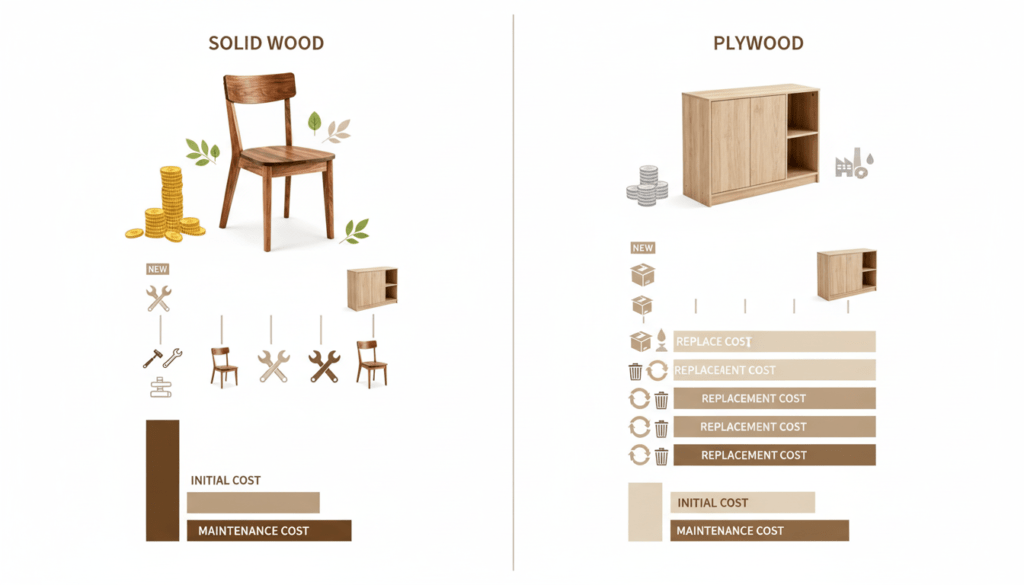
Many buyers choose plywood furniture assuming it’s cheaper. But here’s the truth: cheap now can mean expensive later.
Engineered wood furniture may cost less upfront, but frequent replacements increase your long-term spend — not to mention the environmental toll.
Solid wood is an investment. It appreciates in beauty, maintains strength, and holds its value over time.
So, while plywood might save you money today, solid wood saves you time, money, and the planet tomorrow.
Popular Sustainable Woods Used at Keshav Craft Inc
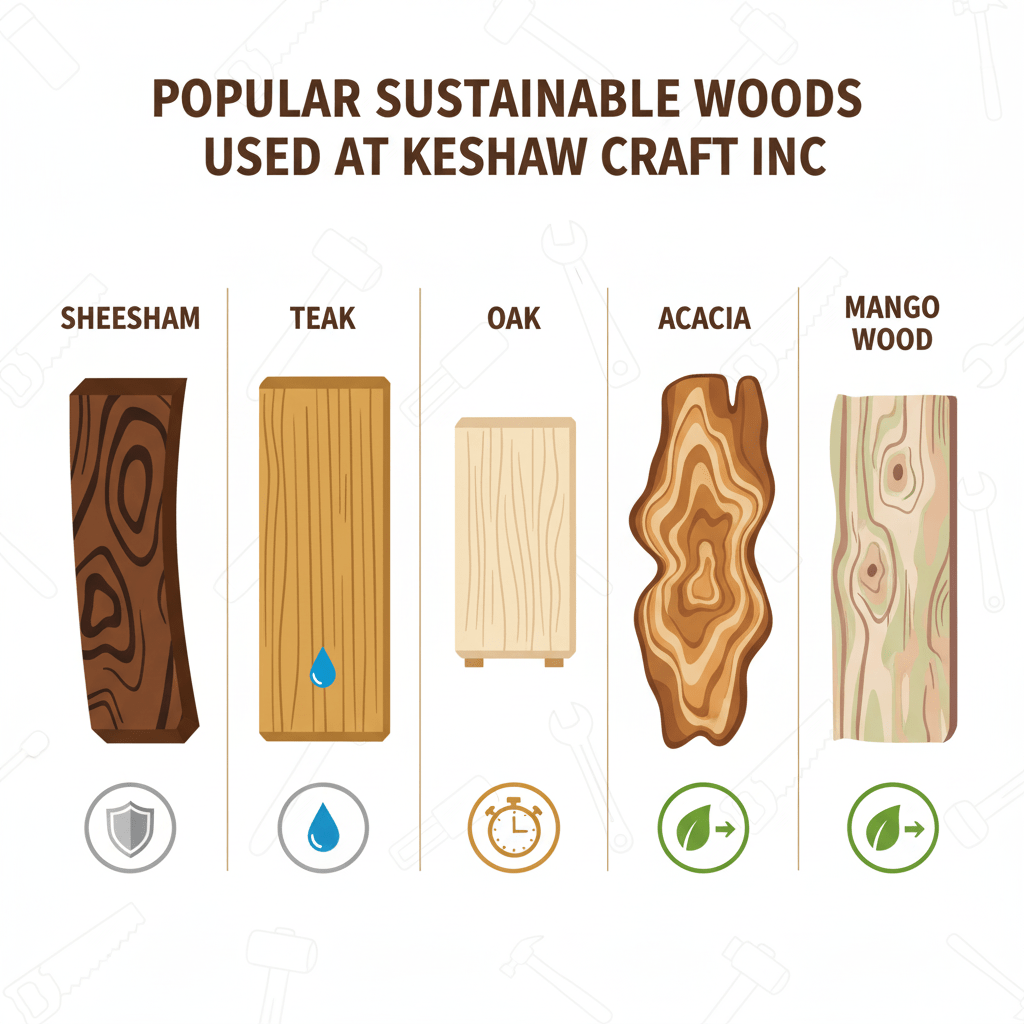
At Keshav Craft Inc, we work exclusively with responsibly sourced and durable hardwoods — each with a unique aesthetic and purpose.
Sheesham (Indian Rosewood): Known for strength, durability, and deep grain patterns.
Teak: Naturally water-resistant and perfect for both indoor and outdoor pieces.
Oak: Timeless appeal with a smooth, elegant grain.
Acacia and Mango Wood: Fast-growing, renewable, and highly sustainable hardwoods.
Each piece is handcrafted to highlight the natural variations of the wood — creating furniture that is as unique as nature itself.
Engineered Wood: The Illusion of Affordability
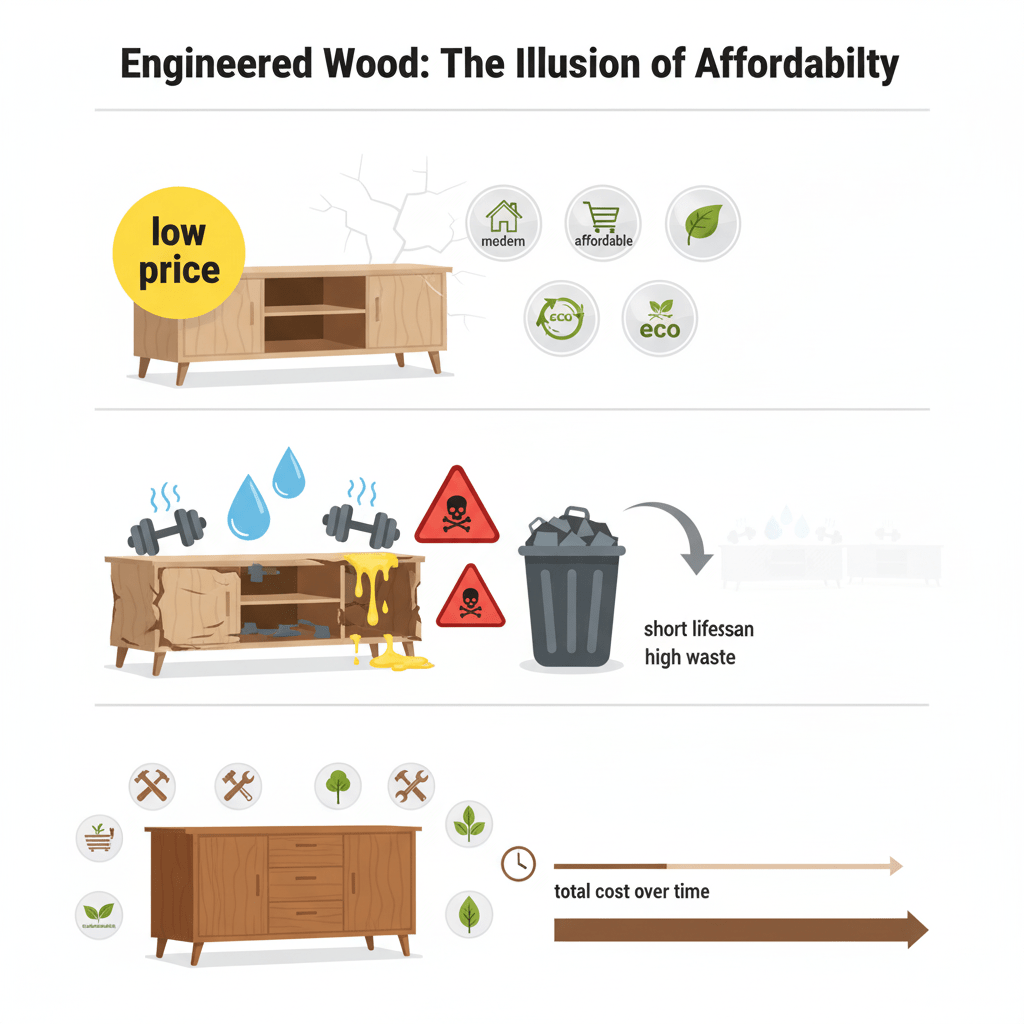
Brands often market plywood and MDF furniture as “modern,” “affordable,” or “eco-smart.” But behind that affordability lies a problem: short lifespan and high waste generation.
Engineered wood products are not biodegradable, use toxic adhesives, and often lose structural integrity when exposed to moisture or heavy use. In humid areas (especially in India), these materials swell, crack, or delaminate — significantly reducing their life.
Sustainable living isn’t about low cost; it’s about long-term value and minimal waste. That’s why solid wood always wins the solid wood vs plywood debate.
Sustainability Meets Style at Keshav Craft Inc
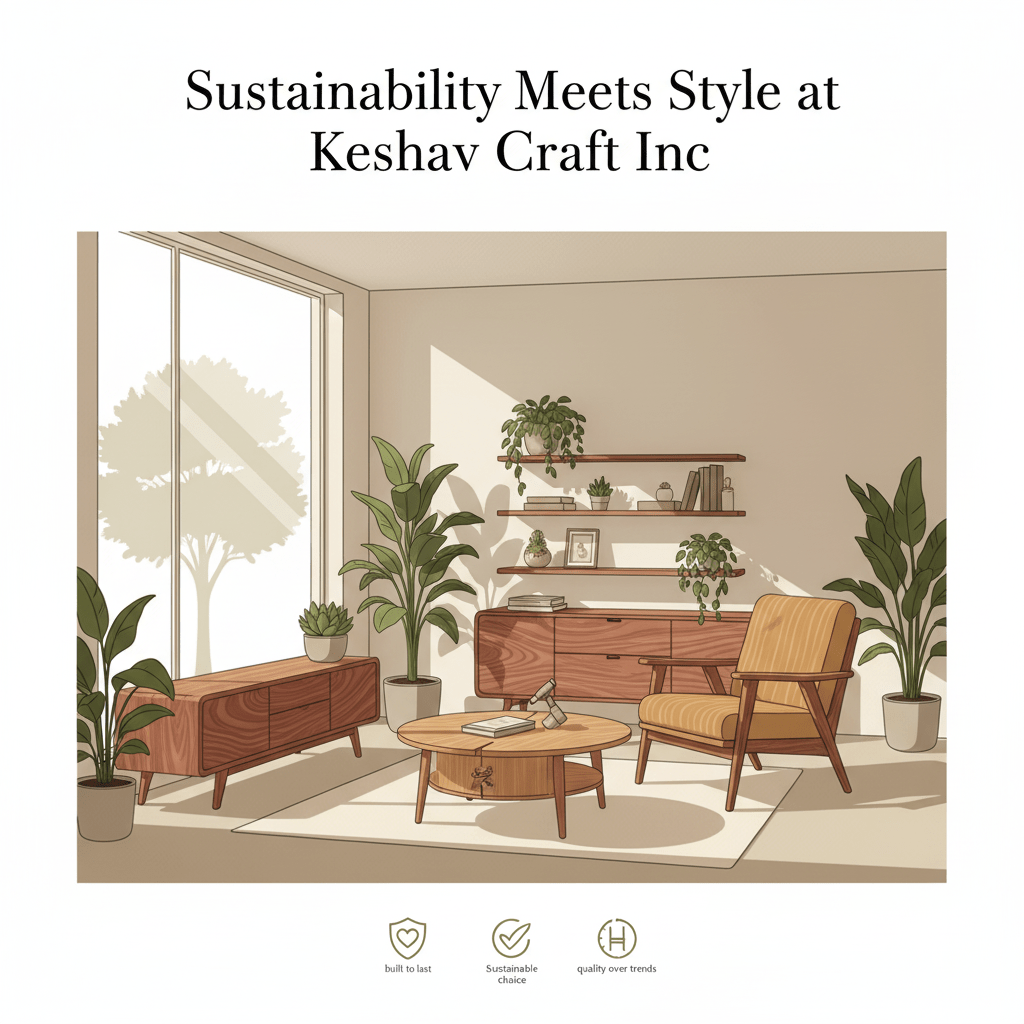
Choosing sustainable furniture doesn’t mean compromising on design. At Keshav Craft Inc, we focus on crafted excellence — blending traditional woodworking with modern aesthetics. Every piece is handmade by craftsmen who respect the wood and bring out its raw beauty.
Our design philosophy is simple:
Build furniture that looks beautiful, lasts forever, and supports a sustainable future.
When you buy from us, you’re not just purchasing furniture — you’re making a statement. A statement that says:
“I value quality over quantity, nature over plastic, and longevity over trends.”
Tips for Buying Sustainable Furniture
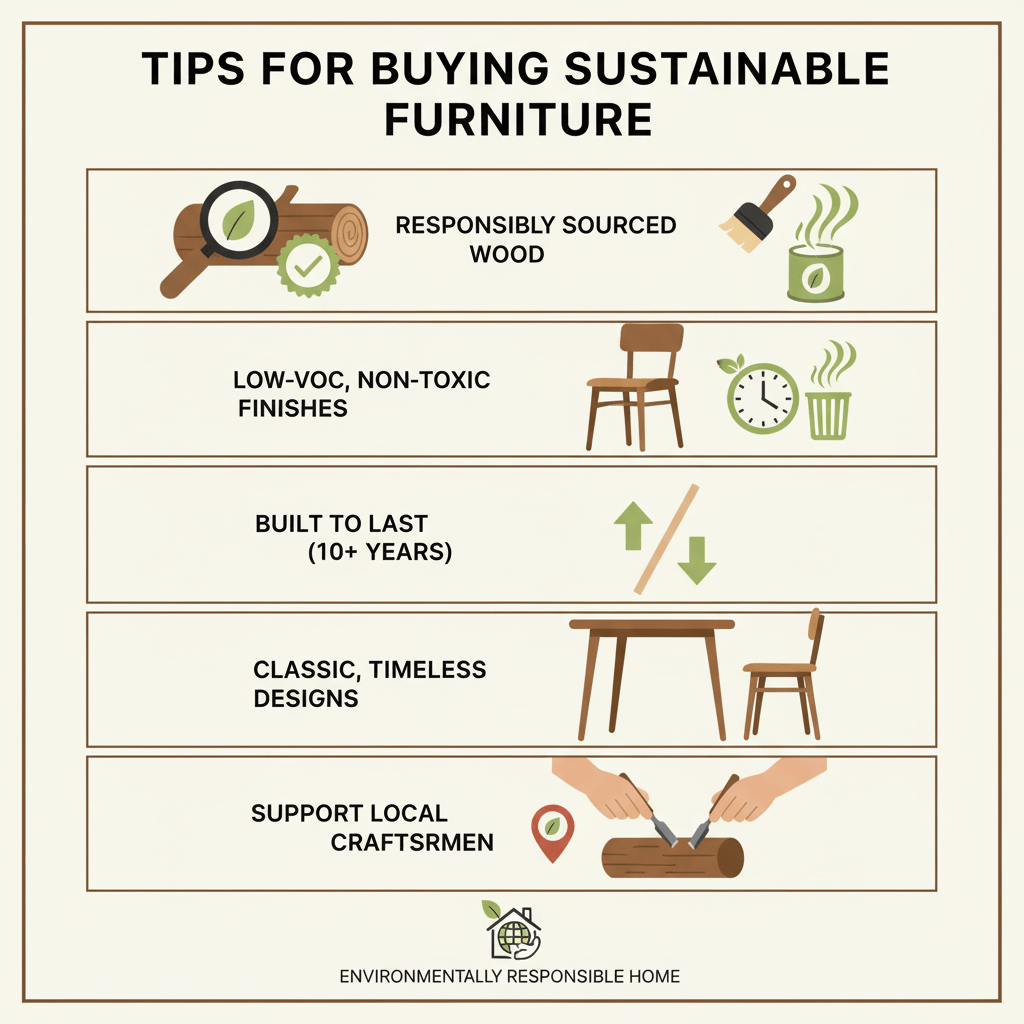
If you’re upgrading your home and want to make eco-smart choices, here’s what to keep in mind:
Check material sources: Always ask if the wood is from a responsibly managed or legal source.
Look for non-toxic finishes: Low-VOC finishes protect your indoor air quality.
Avoid disposable furniture: If it won’t last 10+ years, it’s not sustainable.
Choose timeless designs: Versatile pieces you’ll love for decades.
Support local artisans: Handcrafted items consume less energy and preserve craftsmanship.
When you follow these principles, your home becomes not just stylish — but environmentally responsible.
Final Thoughts: The Legacy of Solid Wood
Solid wood isn’t just a material — it’s a philosophy. It represents craftsmanship, sustainability, and permanence in a world of fast furniture.
Engineered materials may come and go, but solid wood endures — growing richer, stronger, and more beautiful over time.
So the next time you’re choosing furniture, ask yourself:
Do I want something that lasts a season, or something that lasts a lifetime?
At Keshav Craft Inc, we help you choose the latter — beautifully, responsibly, and sustainably.